
Healthy Mediterranean Diet Snacks to Keep You Full All Day
When transitioning to a healthier lifestyle, snacking is often the downfall for many people. The modern food environment surrounds us with highly processed, hyper-palatable snacks that are loaded with refined carbohydrates, unhealthy fats, and added sugars. These snacks provide a quick burst of energy followed by a rapid crash, leaving you hungrier than before.
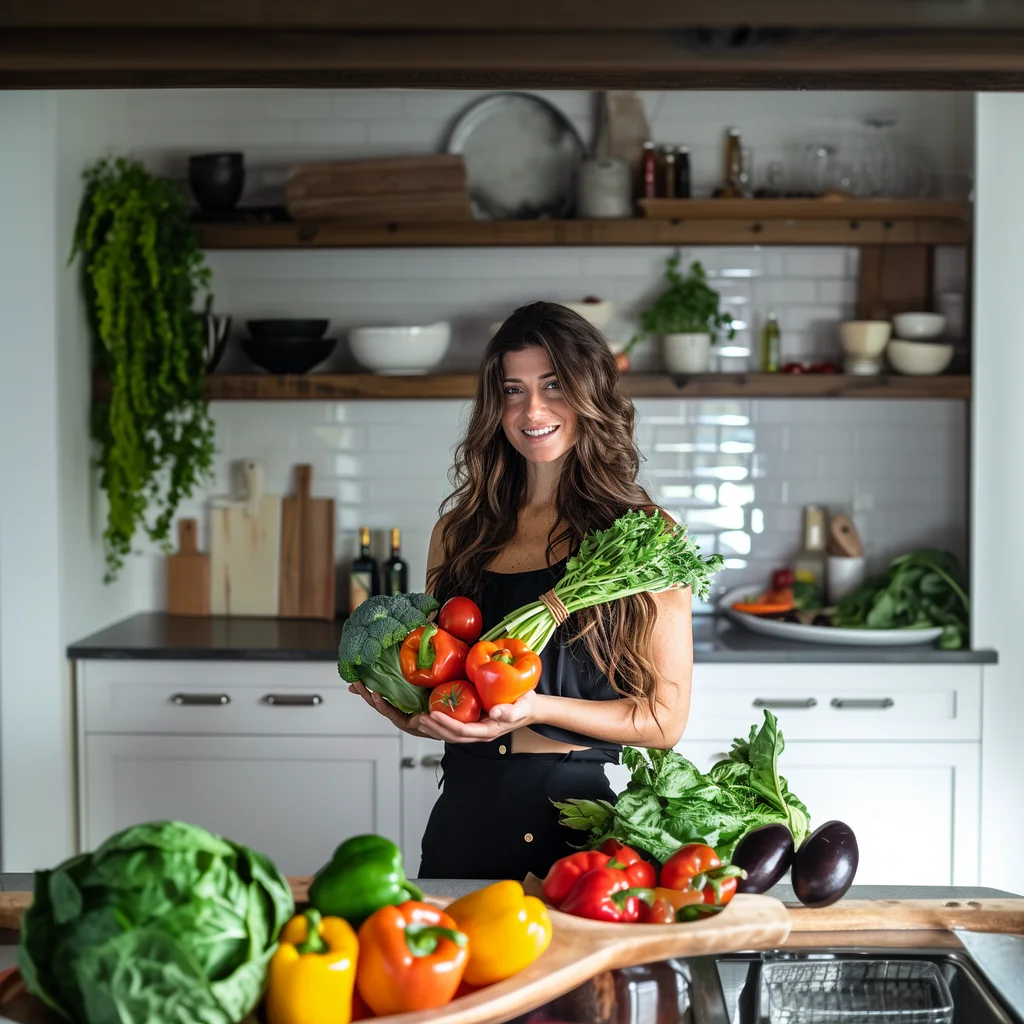 Written by Kimberly Clark, Nutritional Scientist · Mediterranean diet educatorReviewed for accuracy by our Registered Dietitian Nutritionist review team · Last updated: September 2026
Quick answer
Mediterranean snacks pair fibre with protein or healthy fat: a handful of almonds or walnuts, Greek yogurt with fruit, hummus with raw vegetables, olives with feta, or whole-grain crackers with tuna. That combination keeps blood sugar steady instead of triggering the crash processed snacks cause.
Key takeaways
- One or two snacks a day is normal; the composition matters more than the count.
- Every good option combines fibre with protein or fat — never refined carbohydrate alone.
- Nuts are calorie-dense but consistently associated with better weight outcomes in portions of a small handful.
- Olives, hummus, Greek yogurt, fruit and raw vegetables cover almost every craving.

The Mediterranean Diet approaches snacking differently. Rather than viewing snacks as a guilty pleasure or a way to mindlessly graze, snacks are seen as an opportunity to bridge the gap between meals with nutrient-dense, satisfying foods. A well-chosen Mediterranean snack provides a balance of dietary fiber, healthy fats, and protein to keep your blood sugar stable and your hunger at bay.
Here is a guide to healthy Mediterranean Diet snacks that are easy to prepare, delicious, and guaranteed to keep you full all day.
The Foundation of a Mediterranean Snack
A good Mediterranean snack typically relies on one or more of the following components:
- Fresh Produce: Fruits and vegetables provide essential vitamins, hydration, and fiber.
- Healthy Fats: Nuts, seeds, avocados, and olive oil provide satiety and support brain and heart health.
- Lean Protein: Greek yogurt, hummus, or small amounts of cheese help maintain muscle mass and keep you feeling full.
Mediterranean Snack Formula
The best snacks combine at least two of the following elements to keep blood sugar stable:
- Fiber (Fruit, vegetables, whole grains)
- Healthy Fat (Nuts, seeds, olive oil, avocado)
- Protein (Greek yogurt, hummus, cheese, edamame)
Nut and Seed Based Snacks
Nuts and seeds are the quintessential Mediterranean snack. They are portable, require no refrigeration, and are packed with heart-healthy monounsaturated fats.
1. Mixed Raw Nuts
A small handful (about one ounce or a quarter cup) of raw, unsalted nuts is perfect. Almonds, walnuts, pistachios, and cashews are excellent choices. Walnuts, in particular, are rich in plant-based omega-3 fatty acids.
2. Roasted Pumpkin Seeds
Pumpkin seeds (pepitas) are an excellent source of magnesium and zinc. Roast them lightly in the oven with a very small drizzle of olive oil and a pinch of sea salt or paprika for a crunchy, satisfying snack.
3. Apple Slices with Almond Butter
Slice a crisp apple and serve it with a tablespoon of natural, unsweetened almond butter. The fiber from the apple combined with the fat and protein from the almond butter creates a highly satiating snack.
Vegetable and Dip Combinations
Vegetables should be consumed abundantly on the Mediterranean Diet, and pairing them with a healthy dip makes them much more appealing.
4. Hummus and Vegetable Sticks
Hummus, made from chickpeas, tahini (sesame paste), olive oil, garlic, and lemon juice, is a Mediterranean staple. Pair a quarter cup of hummus with carrot sticks, cucumber slices, bell pepper strips, or celery.
5. Tzatziki and Cucumber
Tzatziki is a refreshing Greek dip made from strained yogurt, grated cucumber, garlic, and olive oil. It is lower in calories than hummus but still provides a good amount of protein. Use it as a dip for fresh vegetables or a small piece of whole-grain pita.
6. Baba Ganoush
Similar to hummus, baba ganoush is a savory dip, but it is made with roasted eggplant instead of chickpeas. It has a wonderful smoky flavor and pairs perfectly with fresh bell peppers.
Dairy and Fruit Pairings
Dairy is consumed in moderation on the Mediterranean Diet, with a strong preference for fermented options like yogurt and kefir.
7. Greek Yogurt with Berries
A half-cup of plain, unsweetened Greek yogurt topped with a handful of fresh blueberries or raspberries provides a powerful punch of protein and antioxidants. The thick texture of the yogurt feels indulgent while remaining incredibly healthy.
8. Cottage Cheese and Peaches
While perhaps less traditional than Greek yogurt, cottage cheese is a fantastic source of protein. Pair a small serving with fresh, sliced peaches or melon for a sweet and savory combination.
9. A Small Portion of Cheese and Fruit
Pairing a small piece of high-quality cheese (such as a one-ounce slice of sharp cheddar, manchego, or a small wedge of brie) with a handful of grapes or a sliced pear is a classic, elegant snack.
Savory and Briny Bites
Sometimes you crave something salty and savory rather than sweet. The Mediterranean Diet has plenty of options to satisfy this craving without resorting to potato chips.
10. Mixed Olives
Olives are a cornerstone of Mediterranean cuisine. A small serving of mixed Kalamata and green olives provides a satisfying dose of healthy fats and a briny flavor that curbs savory cravings.
11. Roasted Chickpeas
Toss canned, rinsed chickpeas with a little olive oil, cumin, and smoked paprika. Roast them in the oven until they are crispy. They are an excellent, high-fiber alternative to crunchy processed snacks.
12. Edamame
Similar to roasted chickpeas, steamed edamame (young soybeans) in the pod sprinkled with a little sea salt is a fun, interactive snack that is very high in plant-based protein.
By keeping these snacks on hand, you can avoid the temptation of the vending machine and ensure that every bite you take supports your health goals.
Are you struggling to figure out exactly how much you should be eating to reach your specific goals? Take our free, 60-second quiz to get a personalized Mediterranean Diet plan that calculates the right balance of meals and snacks just for you.
Take the 1-minute quizReferences
[1] Widmer, R. J., Flammer, A. J., Lerman, A., & Lerman, L. O. (2015). The Mediterranean diet, its components, and cardiovascular disease. The American Journal of Medicine, 128(3), 229-238. View the study)00913-9/fulltext
Frequently asked questions
How many snacks a day are okay?
One or two is typical. The goal is to bridge genuine hunger between meals, not to graze continuously.
What makes a snack Mediterranean?
Combine at least two of fiber, healthy fat and protein — for example apple with almond butter, or hummus with vegetables.
Are nuts too calorie-dense for weight loss?
No, but portion matters. A one-ounce handful, about a golf ball's worth, keeps the satiety benefit without overshooting your calories.